CCM
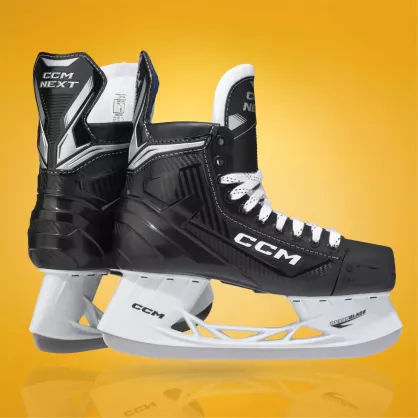
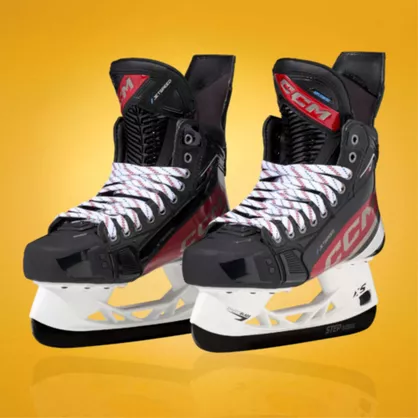
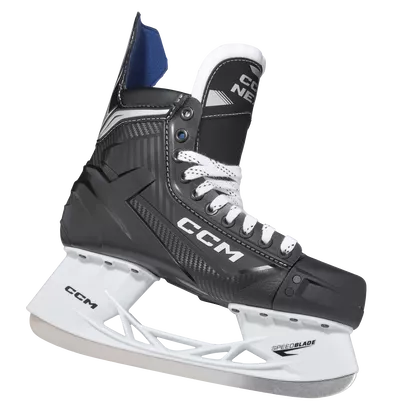
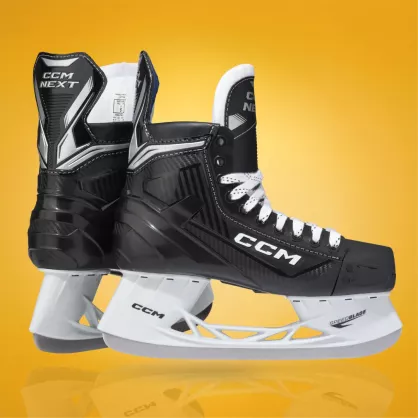
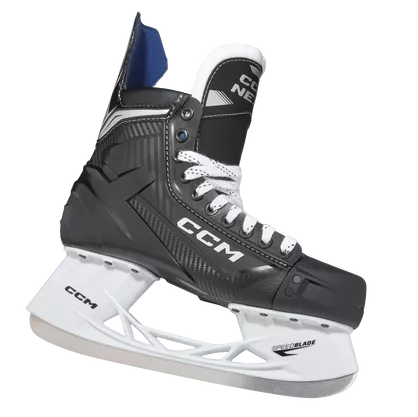
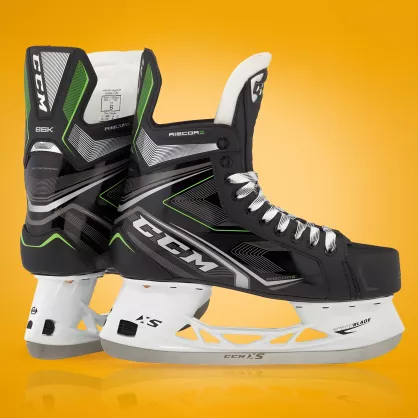
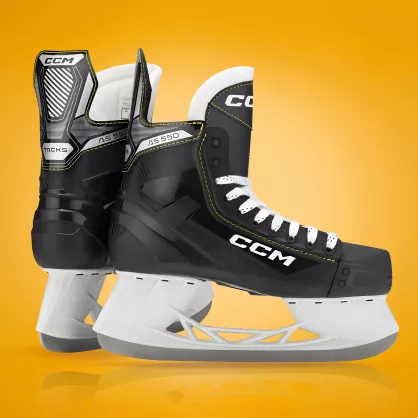
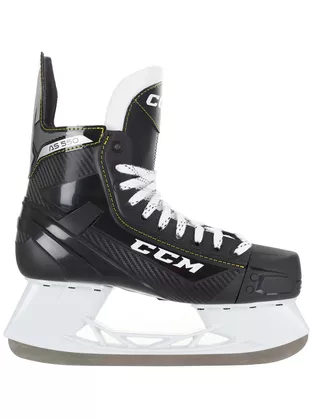
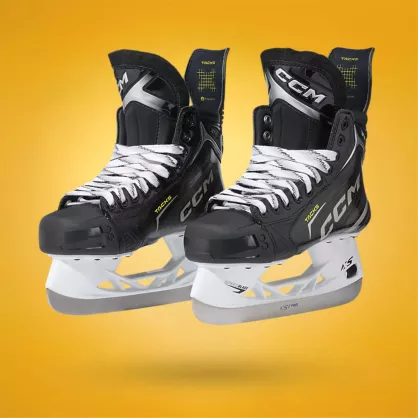
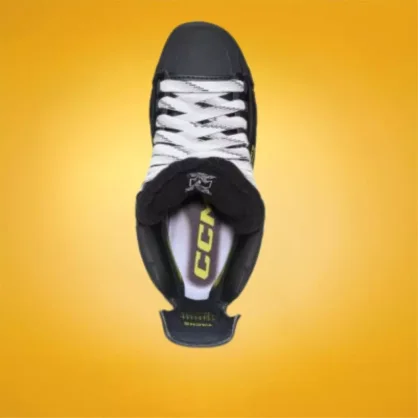
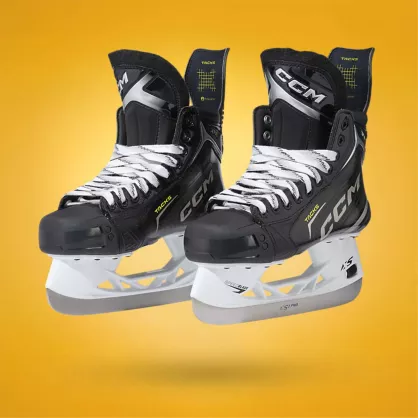
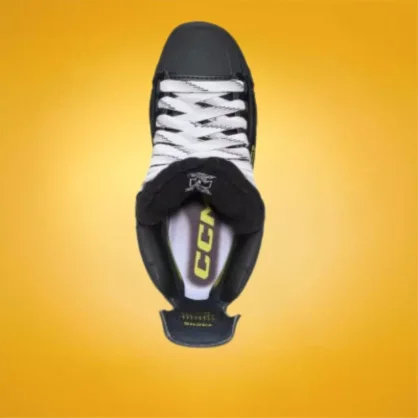
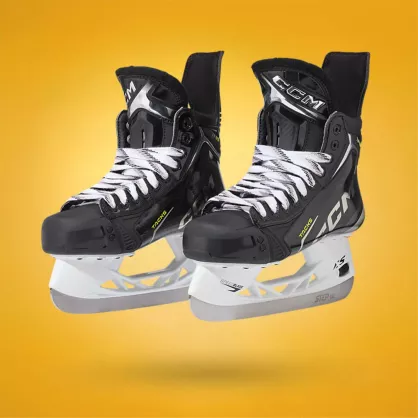
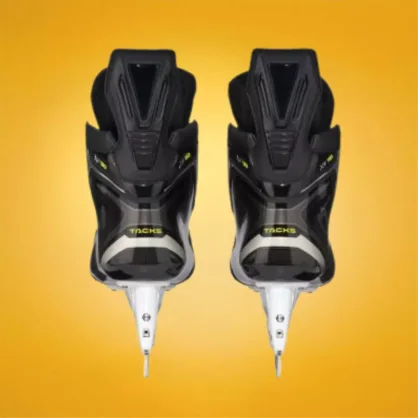
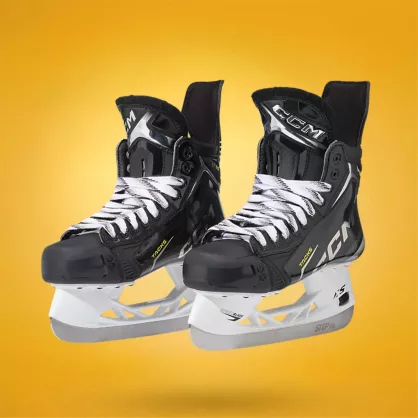
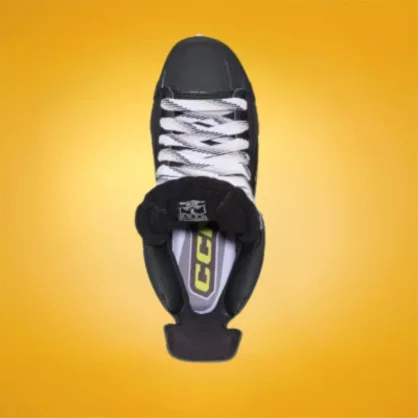
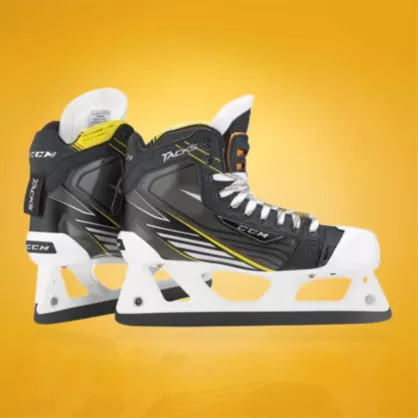
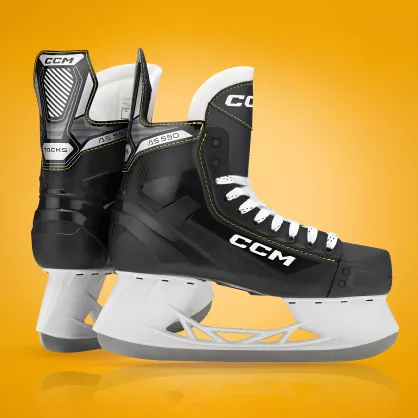
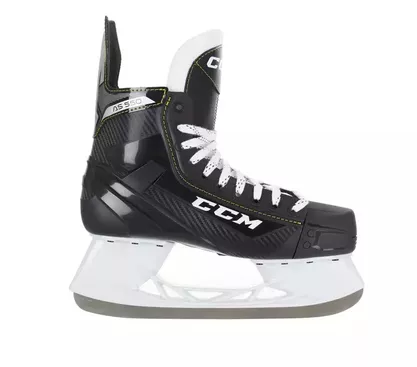
CCM Tacks AS-550 Senior hockey skates
injected boot · core hardness 115 · Speedblade blade · Regular fit
350.00 PLN Regular price: 399.99 PLN −12%Lowest price in the 30 days before the discount: 350.00 PLN

76 products
Hockey skates are 1–1.5 sizes smaller than your shoes — that’s why we give the foot length in centimetres for every model.
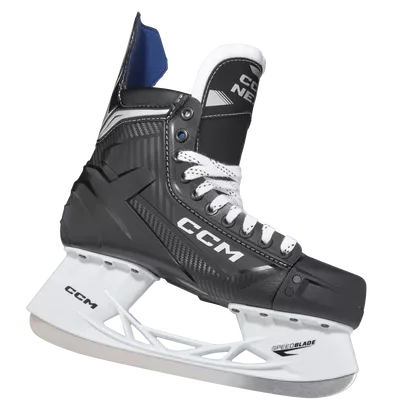
CCM
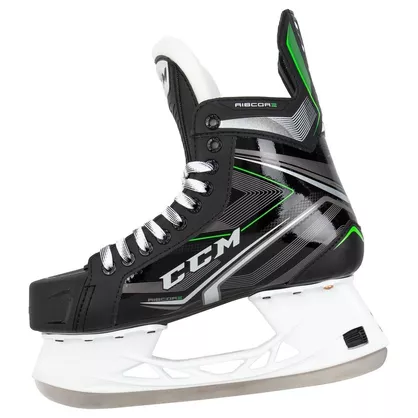
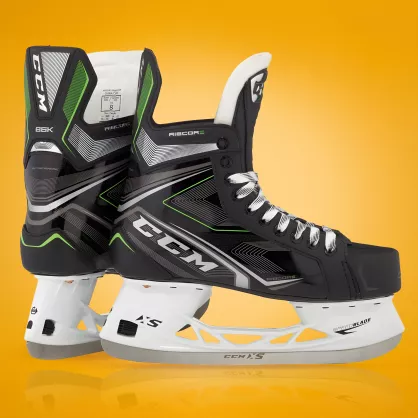
injected boot · core hardness 115 · Speedblade blade · Regular fit
CCM
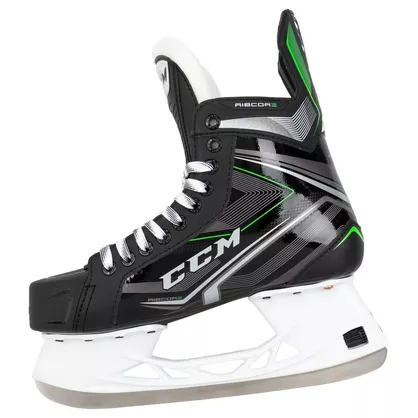
3D injected boot · flex 115 · 7 mm tongue · Speedblade blade
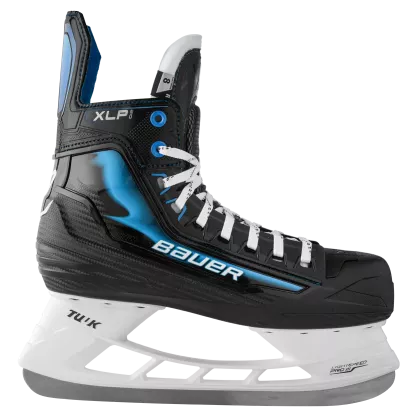
Bauer
hockey · senior · Injected Facing · Sublimated Liner · EU 43 i 44.5
CCM
senior (SR) · heat-mouldable RFM boot · Speedblade holder
Bauer
hockey · intermediate · 3D Polycarb Quarter · blade Lightspeed Pro III · EU 37.5–40.5
Bauer
hockey · senior · 3D Polycarb Quarter · blade Lightspeed Pro III · EU 42–48
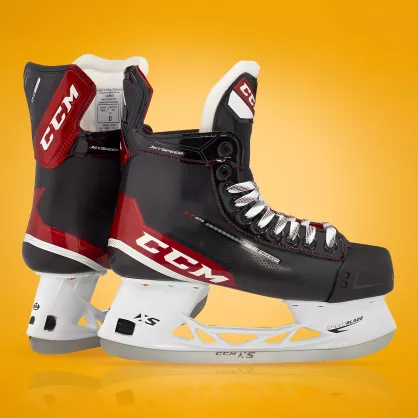
CCM
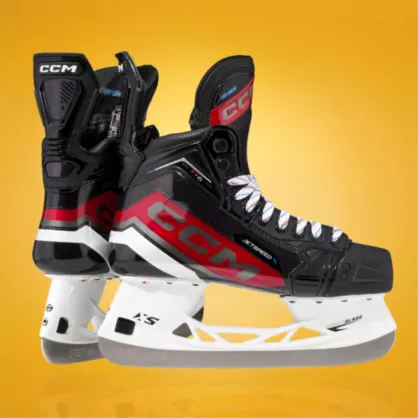
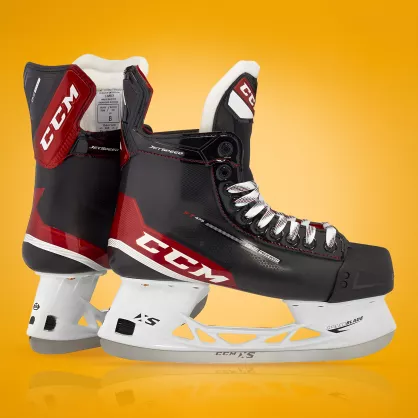
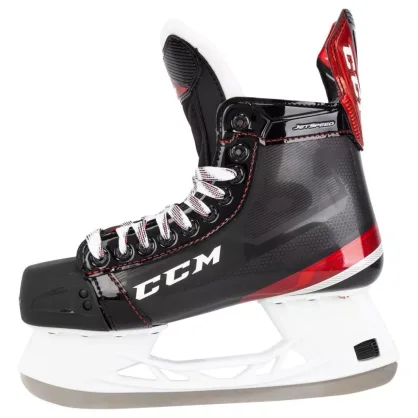
senior (SR) · narrow foot (TAP) · JetSpeed FT6 Pro
CCM
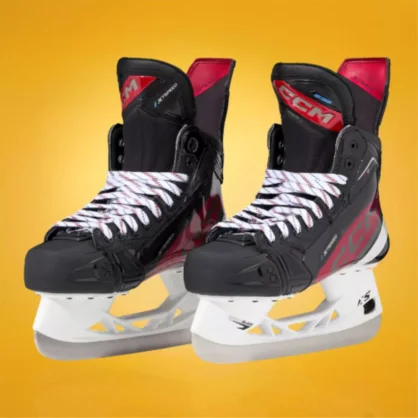
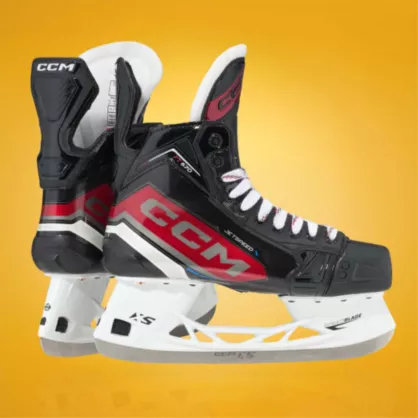
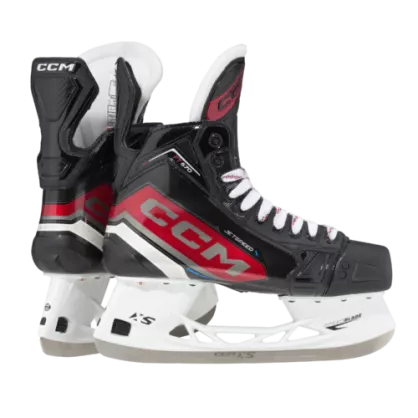
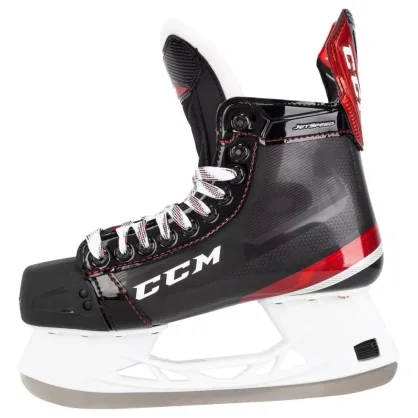
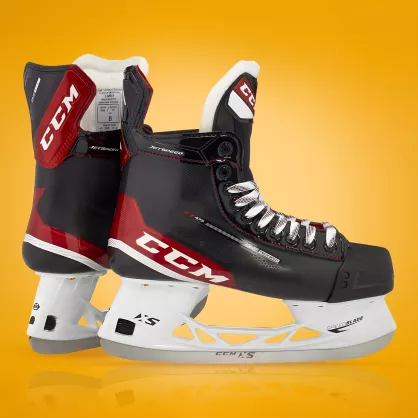
senior (SR) · regular foot (REG) · JetSpeed FT670
CCM
JetSpeed FT680 · intermediate (INT) · wide foot (WID)
CCM
INT · hardness 130 · Memory Foam · SpeedBlade XS
CCM
SR · hardness 130 · Memory Foam · SpeedBlade XS
CCM
JR · Junior Regular · 3D Injected Boot · core 115 · Speedblade blade
CCM
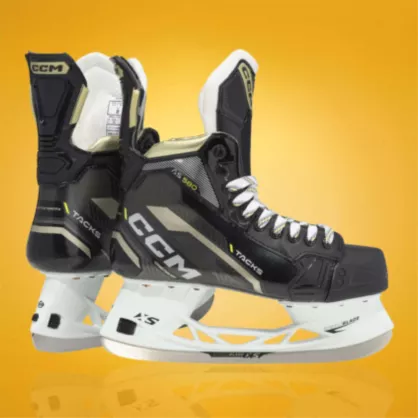
senior (SR) · standard foot (REG) · Tacks AS-580
CCM
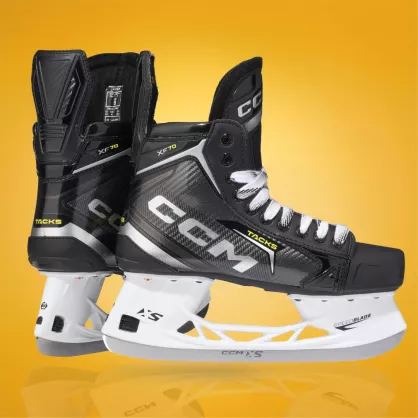
Tacks XF70 · senior (SR) · Speedblade XS · stiffness 140
CCM
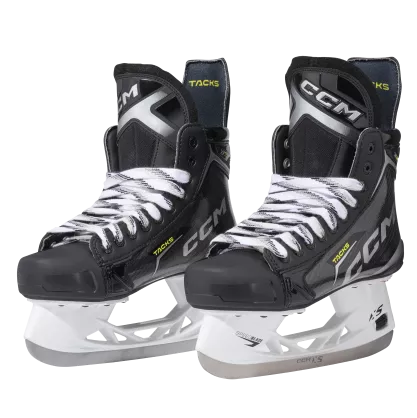
Tacks XF80 · intermediate (INT) · standard foot (REG)
CCM
Tacks XF90 · intermediate (INT) · standard foot (REG)
CCM
Tacks XF90 · intermediate (INT) · wide foot (WID)
CCM
ice skates bramkarskie · senior · heat-mouldable boot · tongue D3O · ostrze Prolite G Black
CCM
INT · RFM composite · Speedblade holder · stainless steel
CCM
JR · RFM composite · Speedblade holder · stainless steel
For recreational skating, choose skates from the lower end of a range: they have a softer boot that moulds to the foot faster and forgives mistakes. Training and game models are stiffer and transfer push-off power better, but they need strong legs and regular skating. A skate that’s too stiff blocks a beginner’s ankle flex and tires rather than helps.
Measure your foot and choose the size by the length in centimetres given for the model, not by your shoe size. A well-fitted hockey skate meets three conditions:
Skates that are too big are the most common mistake: the foot slides, blisters form and edge control disappears. With a wide foot, look for the width marking next to the size.
New hockey skates must be sharpened before you first go on the ice. When sharpening you choose the hollow depth: a deeper one grips the edge harder, a shallower one gives more glide. How to match the hollow to your weight and skating style is covered in the guide how to choose ice skates.
Usually by 1–1.5 sizes. A more reliable method is to measure your foot and compare it with the length in centimetres given for the size.
Yes, many people use them at public skating sessions. Choose a recreational or lower-end model, because it’s softer and more comfortable for occasional skating.
The most popular are 1/2 and 5/8 inch. Lighter skaters and beginners usually prefer a deeper hollow, heavier skaters and those after speed a shallower one; you can also leave the choice to our technician.
No. They must be sharpened before you first go on the ice; you can add the service to your order.